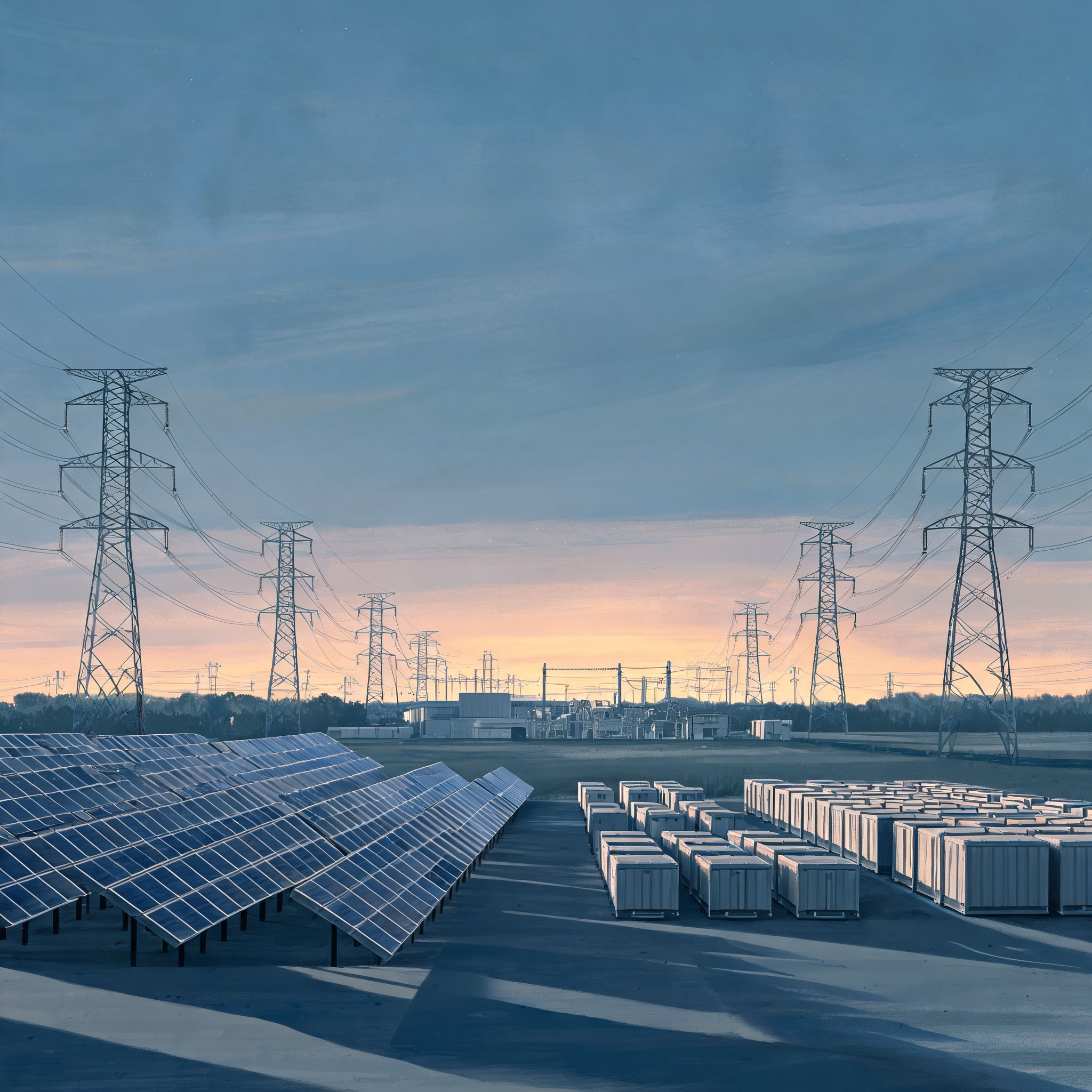
The Storage and Clean Energy Coalition (SCEC), whose members come from the solar and storage industry, has filed testimony opposing the proposed merger of utilities Dominion Energy and NextEra Energy, arguing the combination would damage competition in Virginia.
In the filing, the coalition said the deal as proposed carries an unacceptable risk to the state's competitive landscape and that it therefore opposes the merger as filed. SCEC also wrote that the two utilities say nothing about competition in procuring generation resources, competition in the form of distributed energy resources, or competition from non-wire alternatives to conventional utility infrastructure spending.
The group contends that the already long interconnection queues at both utilities would grow worse if the companies combine. It is asking regulators to require the utilities to adopt interconnection automation tools for residential and small commercial projects and to allow meter socket adapters, which can spare customers a main service panel upgrade, so that projects connect faster.
Lindsey Hallock, interconnection policy director at Permit Power, an SCEC member, said the merger's effect on competition matters to Virginia households that generate and store their own electricity to lower their bills. She said Dominion and NextEra policies make hooking up home solar and batteries time-consuming and costly, and urged the commission to make interconnection reform a condition of the merger, including automated processing and authorization of meter socket adapters.
The testimony further cites NextEra's past political activity, pointing to the role of its Florida Power & Light utility in influencing legislation that would have substantially cut rooftop solar compensation for residential customers at a time when only a small share of households had rooftop solar.