Philips has identified three technology trends it says are reshaping beauty: personalized guidance, at-home devices and human connection. The thread linking them, according to the Dutch personal care group, is the evolution of everyday routines into moments of care.
The company argues that personal care has become a meaningful part of daily wellbeing, with consumers making deliberate choices about how they start the morning, unwind at night and look after themselves in between. It gathered views from beauty industry figures to sketch what it sees as the next phase of beauty technology.
Personalization against information overload
Consumers can reach more beauty information than ever, but Philips says volume has not translated into confidence. The tangle of data, products, ingredients and technologies can leave shoppers uncertain, a condition industry experts have described as an overwhelming cosmetics landscape. Brands catering to specific concerns have grown in response.
Philips cites research indicating that 62% of US beauty and personal care buyers are interested in hyper-personalized products. Alice Crossley, principal strategic foresight analyst at The Future Laboratory, says consumers increasingly expect beauty and wellness technology to be responsive, adaptive and intelligent, and that real-time guidance and clear explanations of why a particular step is recommended are shifting from differentiators into expectations.
Examples are appearing at retail. Ulta Beauty recently launched a ChatGPT plugin that assembles personalized product bundles around a shopper's goals, routines and budget. Philips also points to caution from Anastasia Georgievskaya, CEO of Haut.AI, who has said consumers disengage quickly from AI that feels generic and are more likely to trust recommendations grounded in real skin data. Philips' position is that the strongest technologies will not require users to become experts, acting instead as a partner that turns uncertainty into confidence.
Confidence as the barrier at home
More shoppers are moving treatments that once belonged in clinics into the home, and Philips contends the learning curve should be removed rather than endured. Dr Aamna Adel, a UK consultant dermatologist, says the biggest barrier to adopting beauty technology is not the technology itself but confidence, and that clear, evidence-based support helps people build rituals and pursue the results they want.
The shift is visible across categories. In oral care, Dyson and Usmile have launched camera-equipped AI toothbrushes with real-time imaging that show users which areas they missed while brushing, and red light therapy masks using LED devices are now widely sold through beauty and wellness retail.
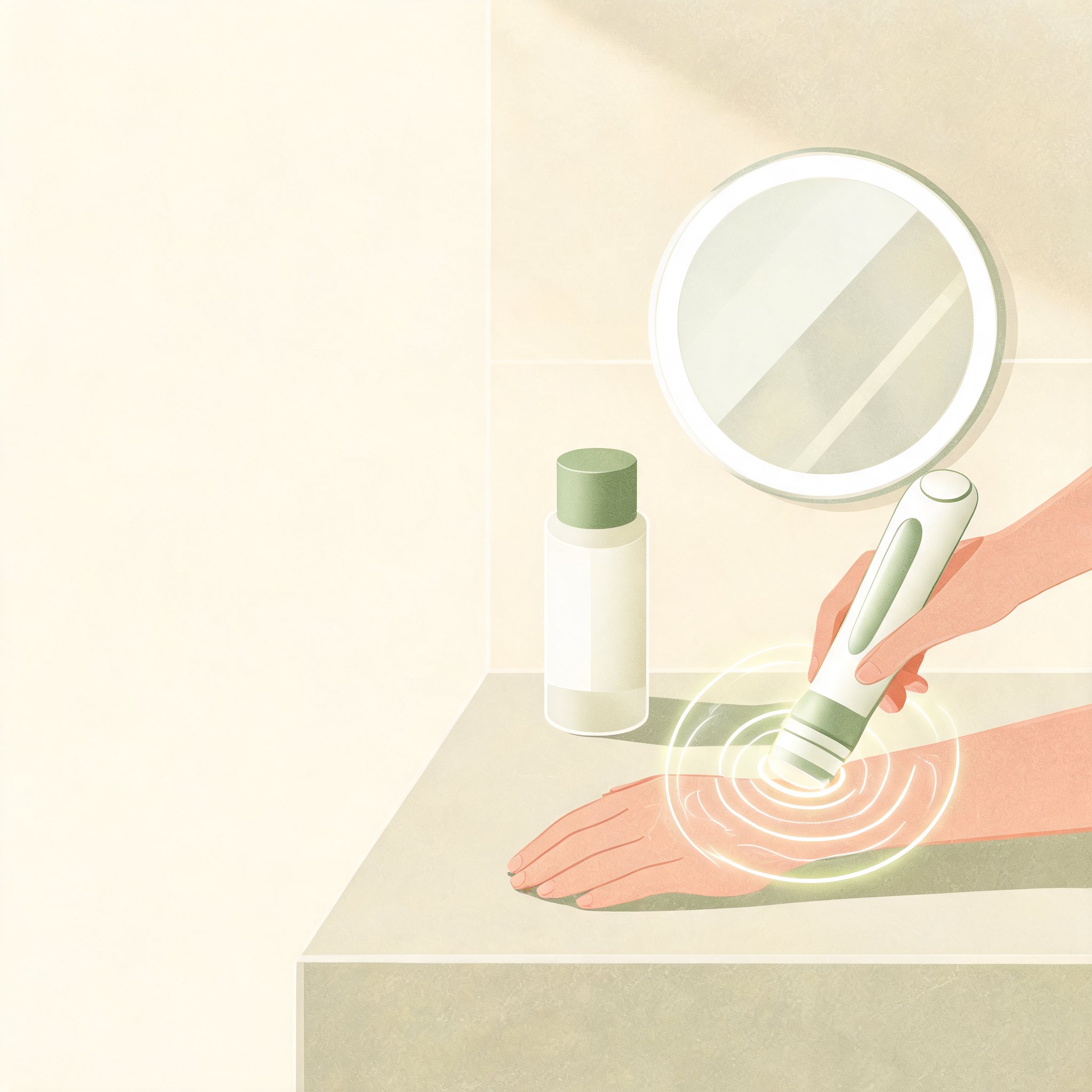
Philips recently launched the Lumea 9900 Pro, which it describes as the first at-home intense pulsed light hair removal device with audio feedback and motion guidance that talks to users. As the device moves along legs and arms it gives live audio cues aimed at coverage and technique; SenseIQ Pro and SmartSkin sensor technology determine individual skin tone and guide users to a light setting; and smart progress tracking produces post-treatment reports that analyze hair reduction and offer recommendations.
Keeping the human element
Philips frames the opportunity as making routines more personal rather than more mechanical. Won Sook Ko, global category leader for Beauty at Philips, says the company's role is to give women agency and support their choices with safe, personalized guidance, and that the Lumea 9900 Pro combines 25 years of IPL research with audio feedback and motion guidance to make the category more intuitive at home.
Others make a similar argument. Tiffany Buathier, founder of The New Well, says confidence thrives when women have genuine choice and technology removes doubt about what to do and how. Kimia Koushesh of Vantage Beauty told Personal Care Insights that the opportunity is not to choose between technology and human insight but to combine them. Revieve's Future Face of Beauty report reaches a comparable conclusion, describing an industry moving toward guided empowerment and long-term trust, with Asia Pacific pairing advanced technology with human connection.