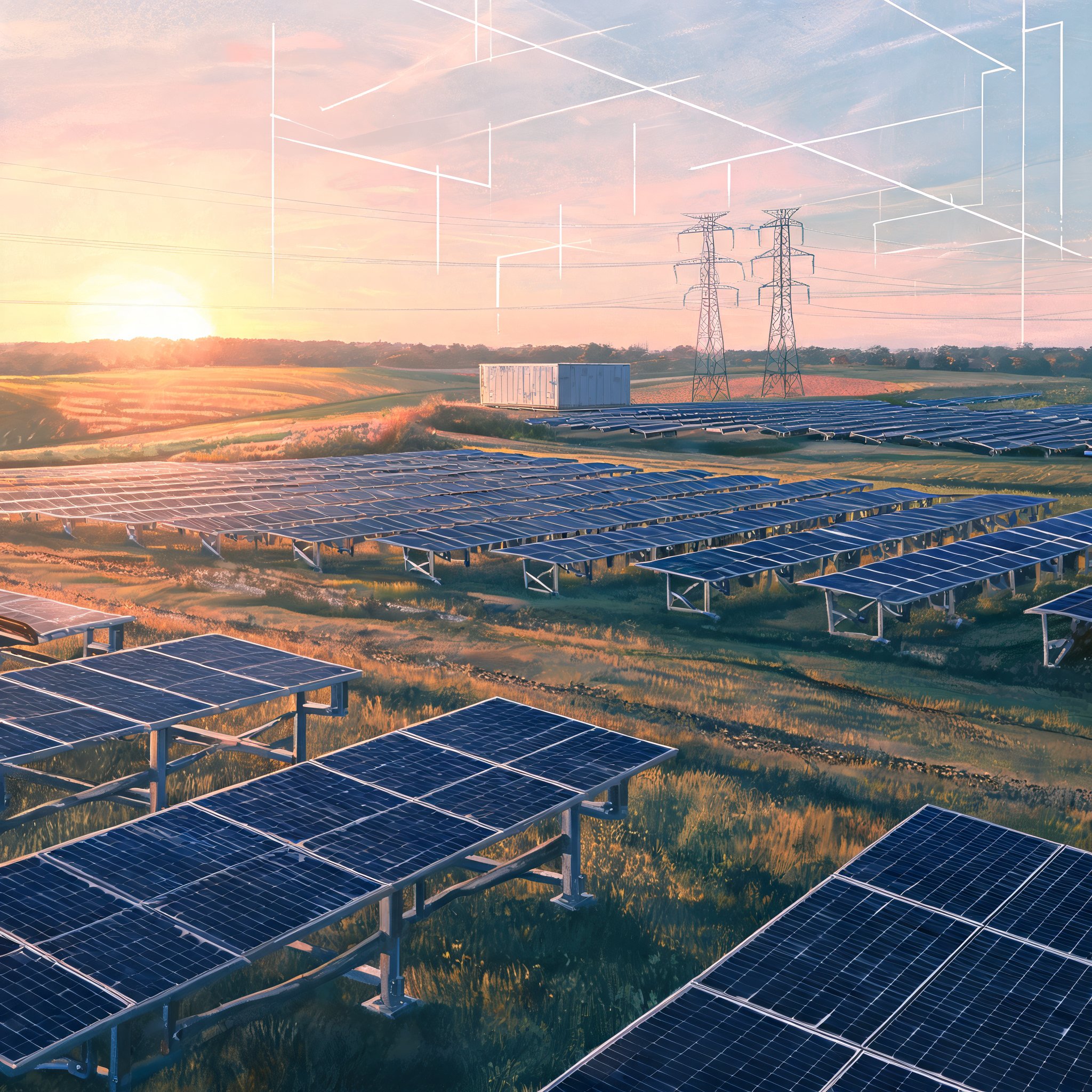
The U.S. Department of Energy's emergency order of October 12, 2026, directing PJM Interconnection to draw on additional generating resources should be a warning for Michigan and the wider PJM region, according to Terence Parker, a Michigan resident and team member at Solar Mounts LLC.
The order, effective October 13–16, authorizes specified power plants to operate as needed to maintain reliability and allows backup generators at large facilities to help reduce grid demand during emergencies. Parker, writing in sponsored content for Solar Mounts LLC — a designer and manufacturer of commercial and utility-scale solar mounting systems based in rural Calhoun County, Michigan — said the measure does not mean blackouts are inevitable, but it highlights serious challenges facing the electricity system and the need to add capacity before emergency steps become routine.
Capacity auction prices signal tightening supply
PJM's capacity auctions, Parker noted, have exposed how difficult it is to secure enough electricity for future demand. Prices reached $329.17 per megawatt-day for the 2026–2027 delivery year and $333.44 for 2027–2028, with the latter auction falling short of PJM's stated reliability requirement, according to the analysis cited in the piece. Capacity costs are only one component of electricity bills, he wrote, but rising prices signal growing pressure on consumers.
Under the October 2026 order, designated generating units may exceed specified operating limits when necessary for reliability, and PJM may direct backup generation at data centers and other large facilities, potentially including diesel generators as a last resort. Parker said running fossil-fuel plants more frequently can increase emissions depending on the units involved, while diesel generators would worsen local noise pollution and expose operators to high diesel prices. If such measures become more common, he wrote, the question is why cleaner generation and storage are not coming online faster.
Winter outlook adds planning pressure
NOAA's October 15, 2026, winter outlook anticipates warmer-than-average conditions across much of the northern United States, including the Midwest, influenced by a strong El Niño. Parker cautioned that seasonal forecasts cannot predict every period of extreme demand, and that aging infrastructure, maintenance, changing weather and growing electricity consumption reinforce the need for advance planning. Temporary authority to run additional fossil-fuel resources cannot replace long-term investment in generation, he argued.
Solar, wind and storage cited as faster options
Parker argued that utility-scale solar, wind and battery storage can help meet demand on timelines many conventional generation projects cannot match. Suitable solar projects may be built within 18 months, depending on permitting, equipment and interconnection, while new nuclear facilities generally require substantially longer development periods, he wrote. Solar and wind would reduce emissions when they displace fossil-fuel generation, and batteries store surplus electricity for periods of higher demand, though he noted that actual emissions benefits depend on which generators are displaced and when electricity is delivered.
He also called for faster interconnection reviews, saying qualified solar projects should not remain in queues for years because of avoidable administrative delays, and for better coordination among PJM, utilities, regulators, developers and state governments, alongside necessary transmission upgrades.
Farmland, alternative sites and data centers
Addressing concerns about installing solar on productive farmland in Calhoun County, Parker said well-designed projects can include restoration plans that allow agricultural use to resume when leases end, and that solar leases can give farmers supplemental income when crop prices fail to keep pace with production costs. Agrivoltaic systems pair generation with compatible crops or livestock, he wrote.
He pointed to parking lots, commercial properties, brownfields, landfills and other underutilized sites as additional locations for solar, with solar carports providing electricity, shade and weather protection, and community solar widening access for people unable or unwilling to install their own panels.
On data centers, Parker said growing demand, particularly in Virginia and other parts of PJM's territory, is adding pressure to an already constrained grid, and that developers of new hyperscale facilities should demonstrate how they will secure adequate electricity and pay their fair share of supporting infrastructure. He argued against requiring every facility to build a gas-fired peaker plant, citing equipment and supply-chain constraints for gas turbines and the emissions and operating costs of additional fossil-fuel generation, and said existing facilities should reduce peak demand through energy efficiency.
Solar Mounts LLC said it sees an opportunity to expand commercial and utility-scale solar infrastructure across Michigan and the country, supporting faster approvals, better grid planning and a commitment to adding generation and storage before shortages worsen. Parker wrote that the region should not wait for the next crisis to build the power system it already knows it needs.