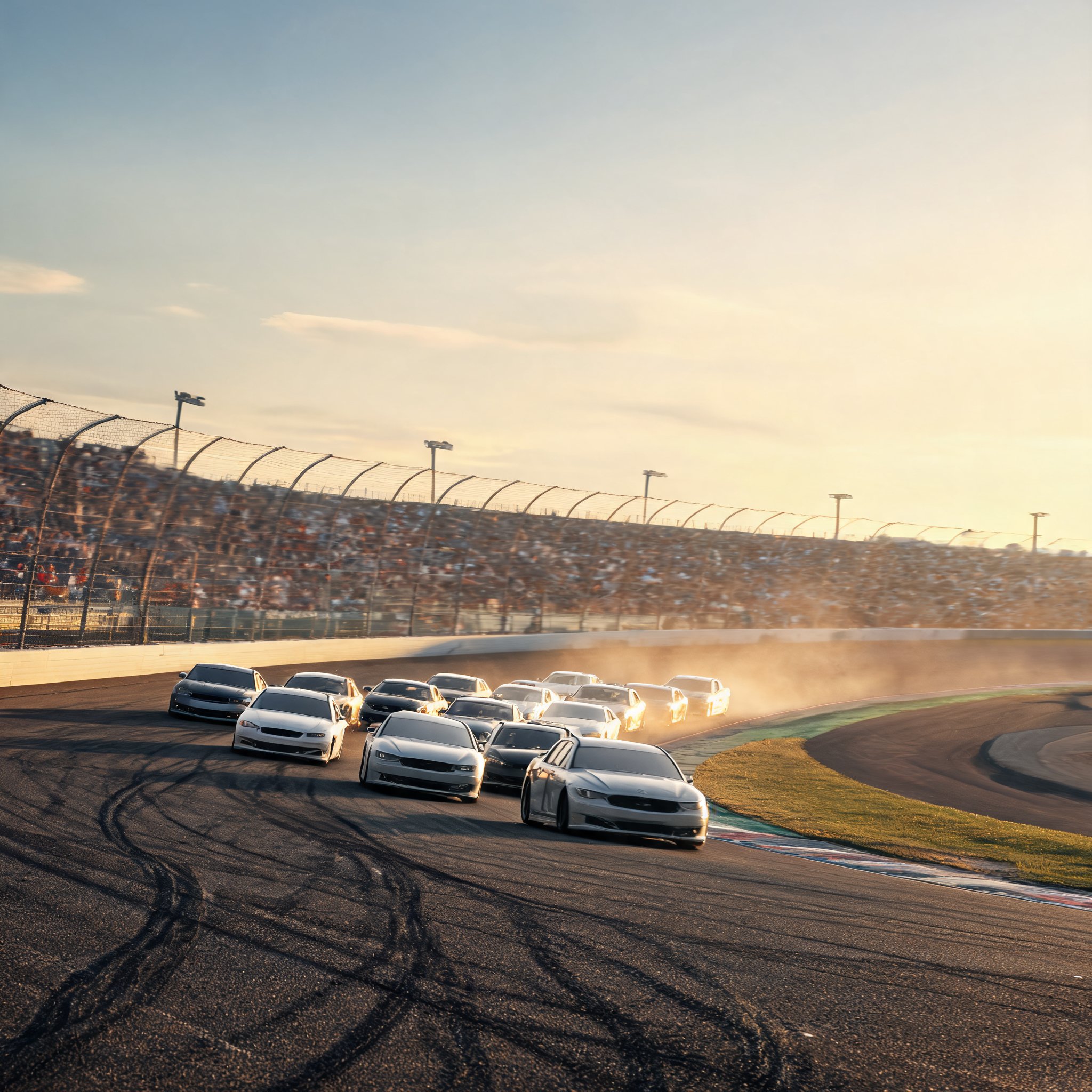
NASCAR Classics has posted a “Sights & Sounds” video from the 2001 EA Sports 500, the fall Cup Series race at Talladega, presented in widescreen HD without commentary or narration. The release is part of the YouTube channel’s occasional series that uses trackside camera clips rather than standard broadcast footage.
The format gives viewers a closer, more atmospheric view of the race. The article notes that the image quality is higher than what most people would have seen on early 2000s televisions, while the absence of voiceover creates a more intimate, home-movie feel.
The 2001 season began tragically when Dale Earnhardt Sr. was killed in a crash in the final corner of the Daytona 500. Michael Waltrip and Dale Earnhardt Jr. finished first and second for Dale Earnhardt Inc. in that race. Earnhardt Jr. became a central figure for the rest of the season, and the article notes that cheering can be heard as he wins at Talladega.
Earnhardt Jr. had several emotional wins that season, including the Pepsi 400, the first Daytona race after his father’s death, and the first race after the September 11 attacks, held at Dover. Jeff Gordon ultimately won the Cup Series championship, reflecting the competitiveness of the field that year.
The EA Sports 500 field also included Tony Stewart and Mark Martin, then 42 and driving a Viagra-sponsored Ford. The article says the cars sounded strong, raced well and carried memorable sponsor liveries. It argues that NASCAR was near the peak of its popularity in the early 2000s, having become more commercialized than its earlier bootlegger-and-mechanic era but having found a formula that worked.
The video is presented as an easy way to revisit that period, with the article suggesting viewers turn up the volume.