Metacon S.A., the wholly owned Greek subsidiary of Sweden-based Metacon AB (publ), has been awarded European Union project funding to develop and demonstrate hydrogen production from biomethane under the BIOH2VAP project. The Patras-based business will use the support to validate Metacon's reforming technology in an industrial biogas setting and to assess the commercial potential of converting locally produced biomethane into renewable hydrogen.
The grant covers approximately €241,920 of the project costs. Metacon S.A.'s overall project budget is €302,400, so public funding accounts for the substantial majority of the planned expenditure.
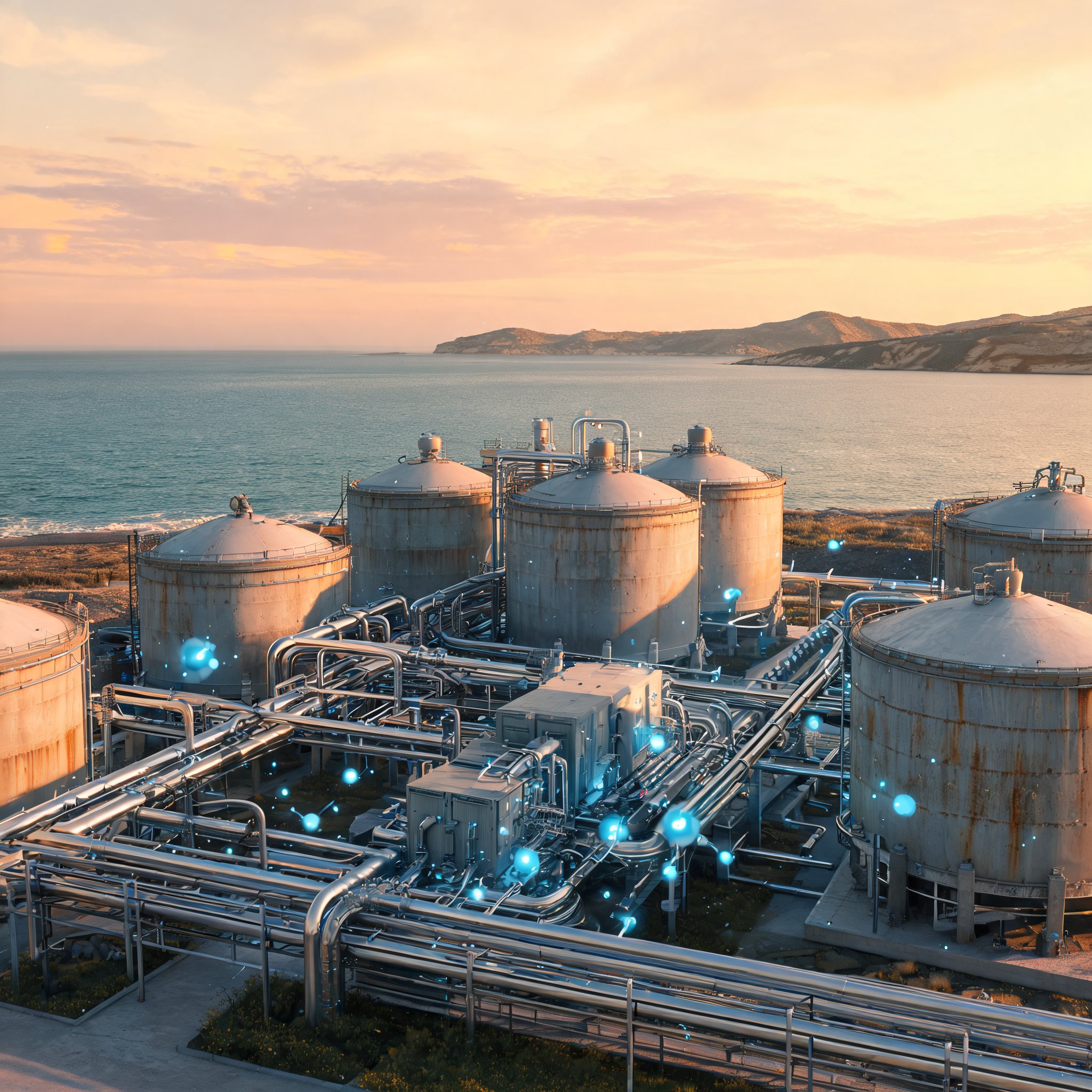
As part of the work, a pilot plant is to be constructed at an existing industrial biogas plant in Ierapetra, on the Greek island of Crete. The facility is designed to cover biogas upgrading, biomethane production and the demonstration of reforming-based hydrogen generation. Operating the plant and collecting data under industrial conditions are intended to give Metacon an opportunity to evaluate and refine technical performance and operating efficiency, and to prepare the technology for commercial deployment.
For Metacon, the project extends the commercialization roadmap for its proprietary reforming technology and supports the development of hydrogen solutions that use renewable feedstocks. According to the company, the scheme also provides a platform for assessing how hydrogen production can be integrated with existing biogas infrastructure and local residue streams, with the aim of improving resource efficiency and strengthening the business case for circular hydrogen production.
Christer Wikner, President and CEO of Metacon, said the BIOH2VAP project gives the company a new industrial platform to demonstrate clean hydrogen production from biomethane and to optimize its commercial potential. He added that the project expands Metacon's industrial testing base for its reforming technology and will support commercialization plans targeting future deployment at thousands of existing locations internationally where biogas infrastructure and local renewables are already available.