Siemens Smart Infrastructure Buildings will bring an intelligent robotics system into its Nuremberg site through a logistics partnership, with the automation scheduled to go live in mid-2027.
Hellmann Worldwide Logistics, which has operated the warehouse at the Nuremberg site as a full-service logistics provider for Siemens Smart Infrastructure Buildings since 2025, is working with Exotec on the project. The scope covers storage, order fulfilment and the movement of materials inside the facility.
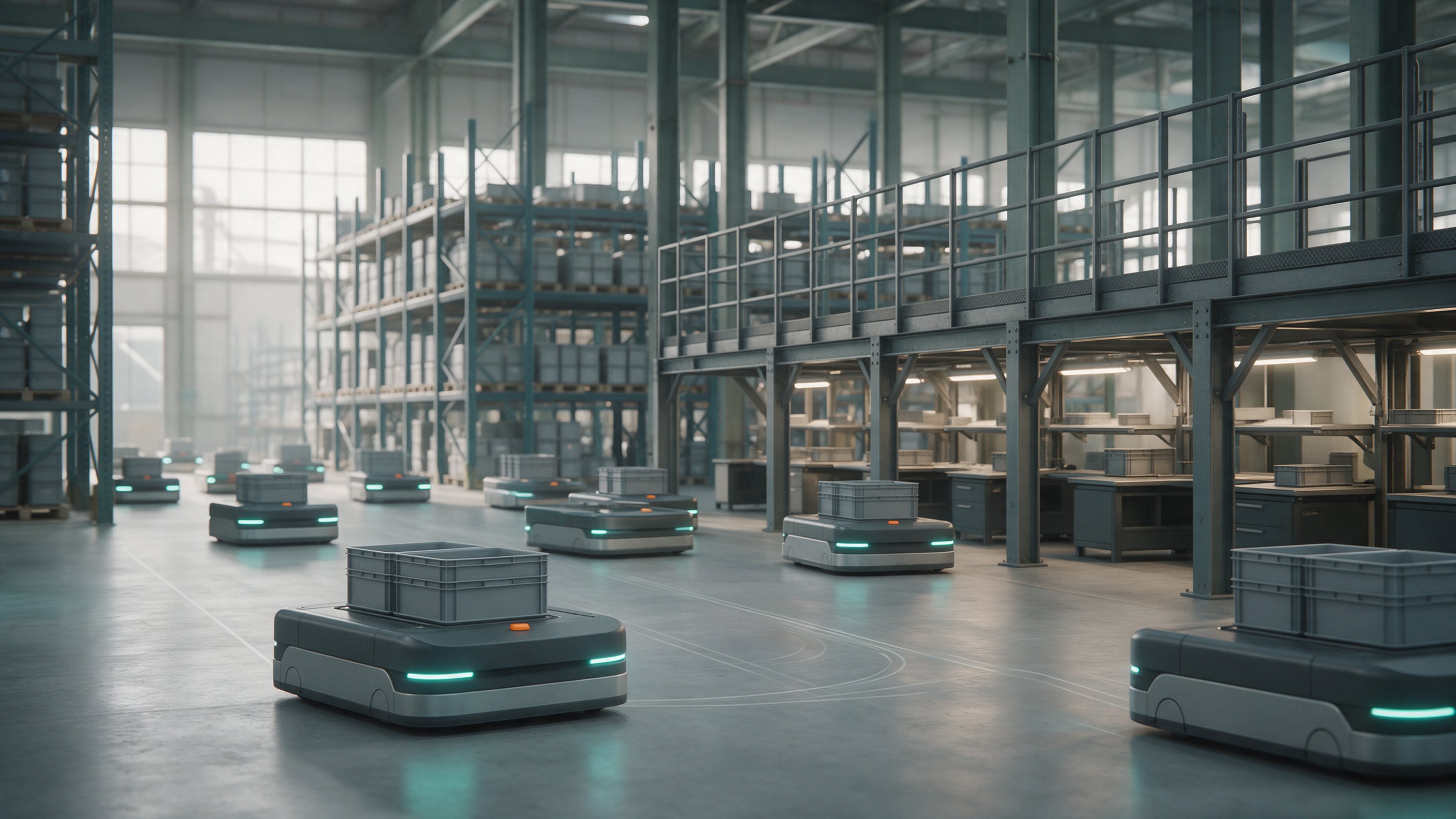
Under the plan, autonomous robots will put goods into storage and retrieve them, and will transport totes to the picking stations. The installation is to provide around 35,000 storage locations at the outset and is designed to scale as demand increases; storage capacity and picking stations can be added flexibly and with minimal effort, according to the partners.
The companies say the automation will create additional capacity to support the growth anticipated at the site, while improving efficiency, quality and space utilisation. Siemens expects annual volumes to rise.
Daniel Schnuck, director global warehouse at Siemens Smart Infrastructure, said the new automation solution is intended to create the foundation for future growth, allow operations to be improved continuously and ensure a consistently flexible, high level of service for customers over the long term.
The Nuremberg site falls within a building category Siemens describes as able to manage its own energy demand and generation dynamically, through a bi-directional flow between on-site generation and storage systems and the external electricity grid, with the aim of avoiding energy waste and reducing greenhouse gas emissions.